How can a metal be “unsinkable”—and is it actually real?
It’s real: researchers etched micro-patterns into metal so it traps air and powerfully repels water, creating buoyancy that helps it keep floating even after damage or repeated submersion. Because the effect is engineered into the surface structure (not a fragile coating), it could unlock safer maritime designs and tougher aerospace and renewable-energy hardware.
Imagine a piece of metal that refuses to sink—even if you puncture it, bend it, or try to submerge it repeatedly. Sounds like science fiction, right? But thanks to a breakthrough by researchers at the University of Rochester, this wild idea is now a reality. They’ve created a revolutionary metal that floats, no matter what, and it’s poised to reshape everything from shipbuilding to space tech.
What makes this metal unsinkable?
In simple terms? It’s all about air and water resistance.
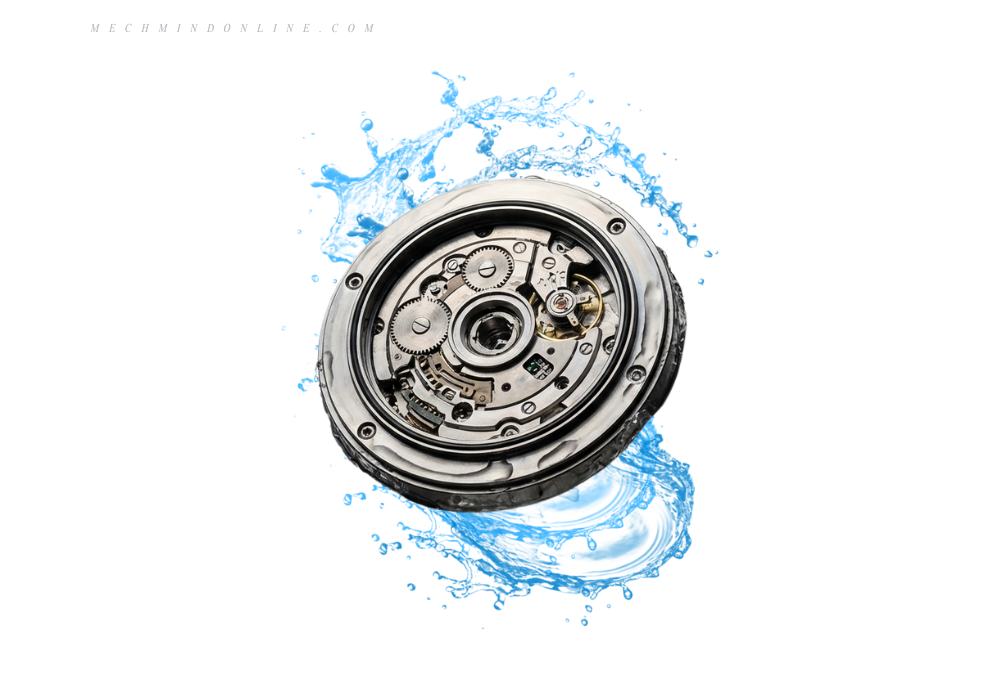
Researchers used ultra-fast femtosecond laser pulses to etch microscopic patterns into the metal’s surface. These patterns trap tiny air pockets, giving the surface extreme water-repelling (superhydrophobic) abilities. That trapped air creates buoyancy—so even if the metal gets damaged or submerged, it still floats.
This isn’t just a surface coating that wears off. It’s a structural change built right into the metal, offering a much more lasting solution than previous water-resistant materials.
Why is this such a big deal?
Because it challenges everything we thought we knew about metal. Typically, metals are dense, corrosion-prone, and eventually sink when exposed to water over time. But this new process flips that expectation on its head.
More importantly, the potential applications are mind-blowing.
How will unsinkable metal change the world?
- In the maritime world, this could be a lifesaver—literally. Imagine ships, ferries, or offshore rigs built with unsinkable components. Even in emergencies, vessels made from or reinforced with this material could stay afloat longer, giving passengers more time and saving lives.
- In aerospace, this innovation opens the door to crafting lighter, more resilient spacecraft. Anything that can resist water damage or structural failure under extreme conditions has serious potential in satellite and space probe design.
- In renewable energy, floating solar farms and offshore wind turbines often face corrosion and sinking issues. Integrating unsinkable metal into their construction could increase durability and reduce maintenance, boosting long-term sustainability.
Is it ready for real-world use?
Not quite yet—but it’s getting there.
While the science is rock-solid, practical hurdles remain: the laser-etching process is energy-intensive and costly (making mass production tricky), and even superhydrophobic surfaces can wear down over time—especially in abrasive environments like oceans.
So, researchers are now focused on making the metal more durable, affordable, and scalable for widespread industrial use.
What’s next for unsinkable metal?
This discovery is already inspiring new directions in material science. We’re likely to see more materials engineered with similar techniques—using laser patterning to create air-trapping, water-repelling surfaces that do everything from self-cleaning skyscrapers to never-wet outdoor gear.
And while it may take a few years to reach consumer products, the foundation has been laid. One day, we might laugh at the idea of ships ever sinking again.
Quick Takeaway
This isn’t just a cool trick—it’s a glimpse into a future where physics bends to human will. A metal that floats, no matter what? That’s the kind of invention that changes the rules—and the world.
For a closer look at the research, visit the official announcement at University of Rochester or explore the deeper implications via Science Daily. For a digestible breakdown, you can also check out Superhuman’s coverage here.
The age of unsinkable metal has officially begun. And the ripple effects? They’re just starting.
Key Takeaways
This “unsinkable metal” works by engineering the surface to trap air and repel water—creating buoyancy that can persist even after damage. It’s promising, but real-world rollout depends on solving cost, durability, and scale challenges.
- Micro-etched patterns trap air pockets and create extreme water repellency (superhydrophobic behavior).
- The effect isn’t a coating—it’s a structural surface modification designed to last longer.
- Big use cases: maritime safety, aerospace resilience, and tougher renewable-energy infrastructure.
- Current hurdles: energy-intensive laser processing, cost, and wear in abrasive ocean environments.