What makes this Swiss detachable robotic hand so revolutionary—and why does it matter?
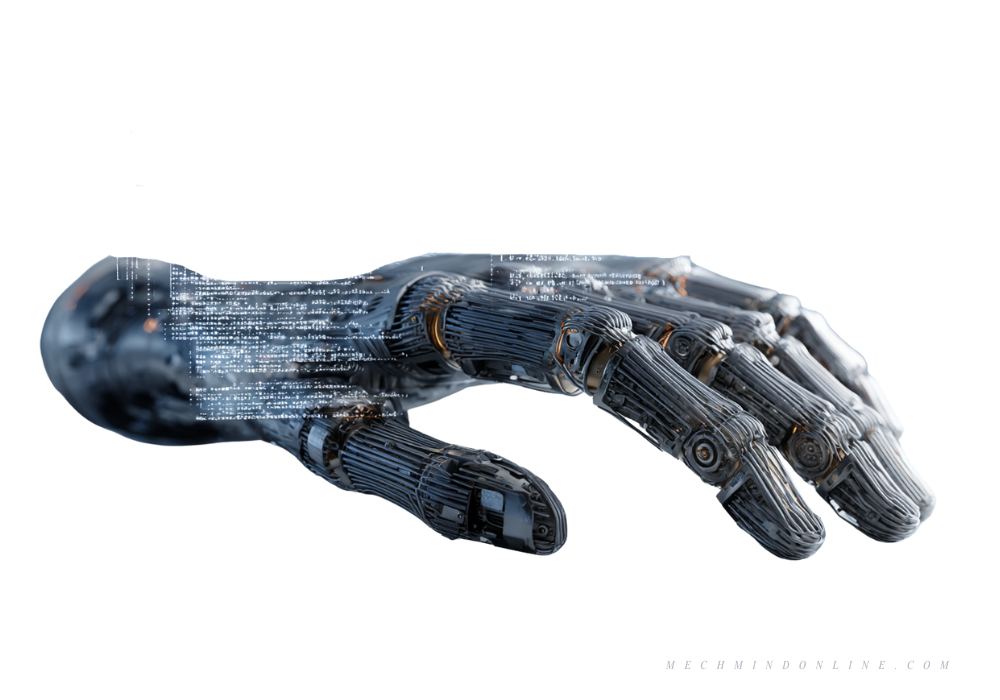
Researchers at EPFL have created a detachable robotic hand that can undock, crawl to retrieve objects, and then reattach—combining dexterous manipulation with autonomous mobility in one compact system. Beyond a robotics milestone, it points to a future of modular “human extensions” that could reshape prosthetics, industrial automation, and how humans collaborate with intelligent machines.
Revolutionary Swiss Invention: Detachable Robotic Hand That Could Redefine Human Capability Forever
Imagine a breakthrough that doesn’t just advance robotics—but reimagines the very relationship between humans and machines. That breakthrough may be closer than you think, thanks to a team of Swiss scientists who have developed a detachable robotic hand with the potential to transform prosthetics, industry, and human-robot interaction.
At its core, this invention is more than a prosthetic: it’s a modular robotic extension of human capability. Built by researchers at the École Polytechnique Fédérale de Lausanne (EPFL), this detachable robotic hand blends adaptability, precision, and innovation in ways that could reshape multiple fields.
The modular design means it can be attached or removed with ease, offering flexibility that traditional prosthetics cannot match. Unlike fixed prosthetic limbs, this design opens new possibilities for human augmentation, blending seamlessly with human intention and movement.
The Core of Innovation: How It Works
This robotic hand mimics the functionality of a human hand while incorporating advanced sensors and actuators that provide real-time feedback. This enables nuanced movements and fine motor control typically expected only from natural limbs. The system’s real-time adaptability means users can interact with objects with dexterity that approaches natural human precision.
What makes this design truly revolutionary is the hand’s ability to detach, operate independently, and then return to reattach to its base—combining manipulation and autonomous mobility in a single platform. This is a significant leap beyond traditional prosthetic hands, aligning robotic autonomy with human intention. You can explore the underlying research in Nature Communications.
Bridging to Real-World Robotics
While this technology has clear implications for healthcare and prosthetics, its broader impact spans across industrial automation and embodied intelligence systems. In fact, advanced robotics companies are already exploring solutions that integrate multiple technologies to create perception, decision-making, and manipulation tools for complex environments.
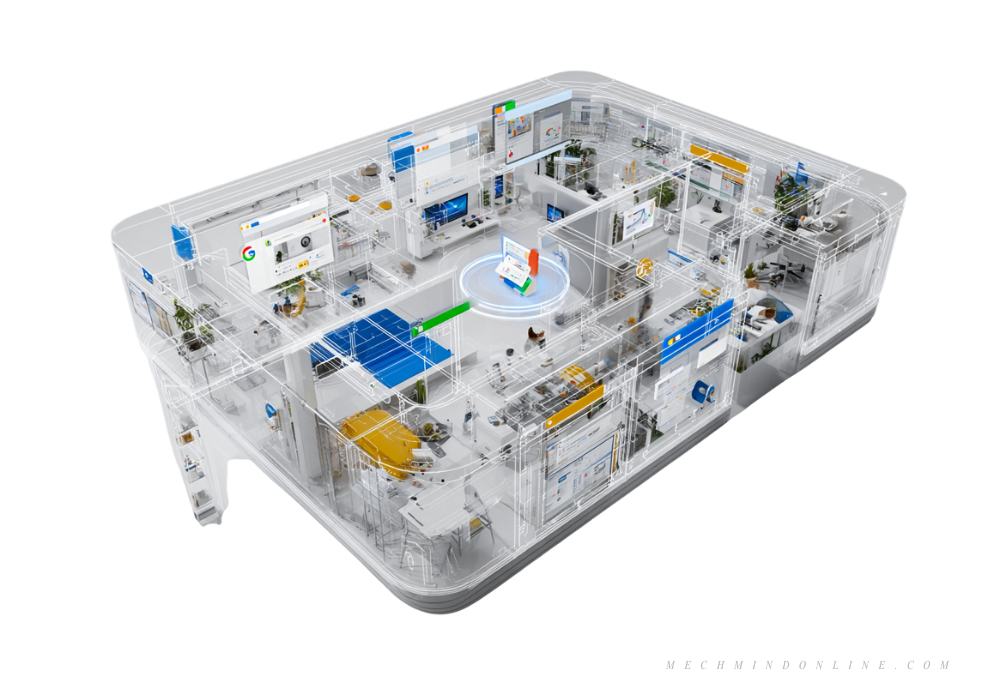
- For example, the Mech-Mind team’s Embodied Intelligence “Eye-Brain-Hand” Robot Station combines high-precision 3D cameras, intelligent software, and dexterous manipulation to deliver powerful robotic perception and adaptability in industrial settings.
- Similarly, intelligent robots powered by 3D vision and machine learning make precision tasks like robotic piece picking with 3D vision significantly more efficient by guiding intelligent path planning and manipulation.
- And for foundational automation tasks such as assembly and handling, robotic machine tending with 3D vision illustrates how robots can detect and manipulate objects of varying shapes and sizes with high accuracy.
Industrial and Societal Implications
This detachable hand is not just a technical marvel—it’s a catalyst for change. In healthcare, it promises more intuitive and capable prosthetics for amputees and those with limb impairments. Rather than mere replacements, these robotic extensions could feel like natural extensions of the body.
Across industry, robots equipped with advanced perception and manipulation—like those used in bin picking and logistics—can perform tasks that require precision and repeatability beyond human limits. This raises productivity and introduces new workforce roles centered around managing and collaborating with intelligent machines.
Looking Ahead: Possibilities and Challenges
As this technology matures, the line between human ability and robotic enhancement will continue to blur. Future innovations could lead to more humanoid robots capable of performing complex tasks alongside humans, reshaping how we think about work, capability, and human potential.
However, key challenges remain:
- Ethical questions about human–robot integration
- Production costs
- Deeper integration with neurological systems
These are not insurmountable, and research continues at institutions worldwide to address them.
Conclusion: A Leap Toward Enhanced Human Potential
The Swiss detachable robotic hand is more than a technical milestone—it represents human ingenuity at its best. It gives us a glimpse into a future where advanced robotics are not just tools, but partners in enhancing human experience and capability.
As robotics continues to evolve, innovations like this will help redefine what it means to be human in an increasingly automated world.
Read more at Superhuman.ai
Key Takeaways
This EPFL-built detachable robotic hand signals a shift from “robot tools” to modular, intelligent extensions of capability. Its blend of mobility + manipulation could ripple across prosthetics, automation, and human-robot collaboration.
- It’s modular: attach, detach, operate independently, then reattach—without losing the core benefits of a dexterous hand.
- Real-time sensing and actuation aim for nuanced control that approaches natural fine-motor precision.
- Industrial “embodied intelligence” systems (vision + software + manipulation) show how this kind of capability translates into production environments.
- Key hurdles remain: ethics, cost, and deeper integration with the human nervous system.