What is Moonshot AI’s Kimi K2.5 and Agent Swarm—and why does it matter?
Moonshot AI has introduced Kimi K2.5, a next-generation AI model designed for complex, real-world work—paired with an “Agent Swarm” approach that coordinates multiple sub-agents in parallel to tackle large tasks faster. The big unlock is dynamic, adaptive execution: instead of a single model trying to do everything sequentially, a swarm can split work, run tasks simultaneously, and converge on better solutions under changing conditions.
In the rapidly evolving landscape of artificial intelligence, few innovations are as promising or transformative as the recent unveiling from Moonshot AI. On the cutting edge of technological advancement, Moonshot AI has introduced Kimi K2.5, an AI system set to redefine the possibilities in its field. Complemented by the innovative concept of Agent Swarm, this development promises to push the boundaries of what machines can achieve—a true revolution in the AI industry.
The Unveiling: Kimi K2.5 and Agent Swarm
Moonshot AI’s newest offering, Kimi K2.5, debuted with much anticipation. Known for its pioneering work, Moonshot AI has consistently driven the field forward. The Kimi K2.5 system, equipped with the Agent Swarm functionality, was revealed as a robust AI capable of complex problem-solving and adaptive learning, thanks to its scalable architecture and high-level parallel processing capabilities. The “who” of this announcement is Moonshot AI, a player in the tech industry that is beginning to gain momentum due to its innovative approaches.
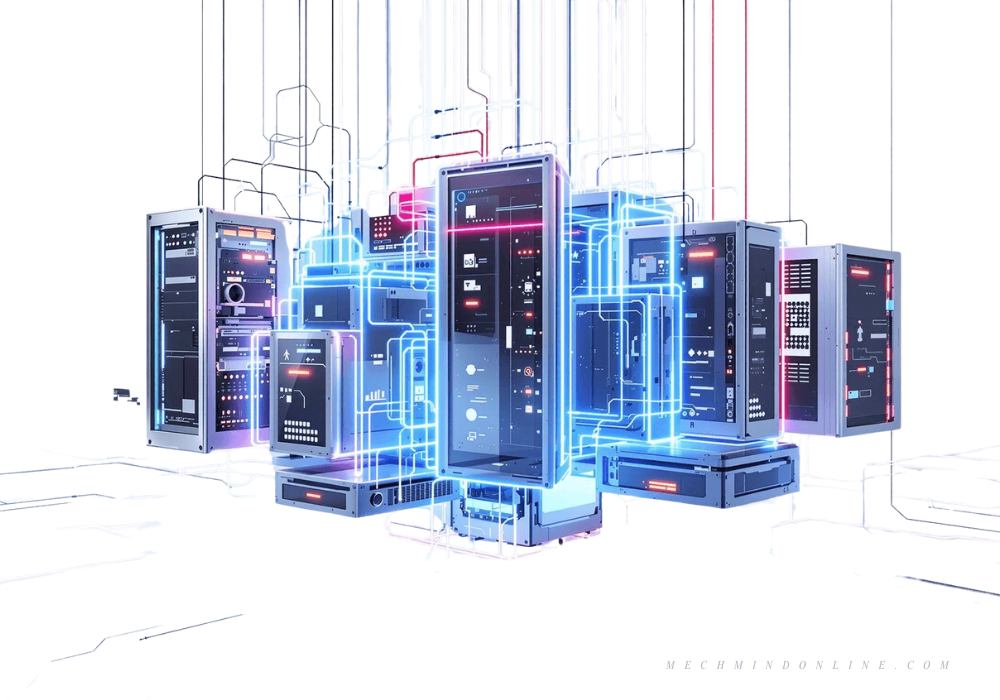
Why “Agent Swarm” is the headline: Moonshot’s own materials describe a swarm-style execution where Kimi K2.5 can coordinate many sub-agents working in parallel—designed for faster completion and more adaptive workflows than a single-agent setup. (See: Kimi K2.5 Technical/Blog Overview)
Key Elements of the News
- What: Launch of Kimi K2.5 and Agent Swarm capabilities by Moonshot AI.
- When: Launch announced in the current year, marking a critical milestone in AI advancement.
- Where: A launch event (presumably online or at a tech conference) hosted by Moonshot AI.
- Why: To address the growing demand for advanced AI systems capable of solving complex, dynamic problems in real-time environments.
Understanding the Core: What Makes Kimi K2.5 Stand Out?
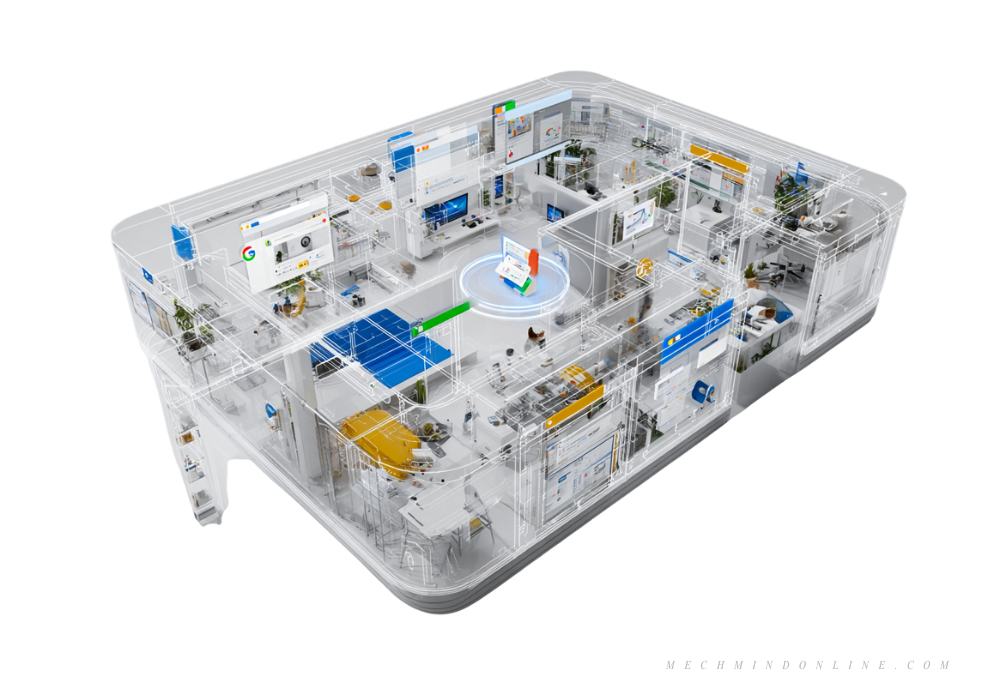
The beauty of Kimi K2.5 lies in its capability to not just analyze data but to dynamically interact with its environment and adapt to new circumstances. This adaptive nature is powered by its Agent Swarm technology—a collective of agent-based models that work cohesively to tackle tasks that traditional AI architectures might find challenging. It’s a system that mimics natural swarm intelligence, leading to efficient decision-making processes and enhanced problem-solving abilities.
What This Means for the Industry
The implications of such a system are vast. Healthcare, finance, logistics, and many other sectors stand to benefit from the swarming capabilities that can bring unprecedented precision and efficiency.
- Healthcare: More adaptive decision support, faster iteration on changing patient contexts, and improved operational optimization.
- Finance: Better real-time responses to shifting market conditions and more resilient multi-scenario analysis.
- Logistics: Dynamic routing, scheduling, and supply-chain optimization as constraints change minute-to-minute.
- Many other sectors: Any environment where conditions shift quickly can benefit from a system built to pivot and optimize.
By being able to adapt in real-time, Kimi K2.5 provides industries with more than just forecasts and insights—it offers a system that can pivot and optimize under changing conditions. This advancement is poised to redefine the AI landscape, encouraging more companies to adopt AI for complex decision-making tasks.
Expectations for the Future
Moonshot AI’s Kimi K2.5 could serve as a catalyst, driving further innovation across the industry. It’s reasonable to anticipate that other organizations will soon develop their own versions of swarm-intelligent systems, leading to a new wave of AI models focused on adaptability and learning. Moreover, this leap forward could see an increase in AI applications in areas where adaptability was previously a limiting factor.
Broader Implications and Trends
On a broader scale, Moonshot AI’s latest endeavor emphasizes a growing trend in AI: the shift from static to dynamic intelligence. This trend reflects an industry hungry for models that offer more than predictive power, demanding insights and actions that evolve alongside the challenges they aim to solve. This paradigm shift will necessitate fresh regulatory frameworks, ethical considerations, and perhaps even new economic models as AI becomes more integrated into decision-making processes.
Conclusion and Look Ahead
The introduction of Kimi K2.5 and Agent Swarm marks a significant milestone in the journey toward truly intelligent machines. As Moonshot AI propels this cutting-edge technology into the market, the ripple effects will undoubtedly lead to greater technological shifts across industries. Those watching closely can expect a future where AI models not only enhance but transform how we approach problems, offering solutions that are as fluid and dynamic as the challenges they aim to address.
Helpful official reference: If you want implementation details (API, tool calling, model usage), Moonshot’s official developer docs live on the Moonshot Open Platform.
For more insights and detailed analysis, please read more at Superhuman AI.
Key Takeaways
Kimi K2.5 and Agent Swarm reflect a bigger shift: AI systems are moving from static prediction toward dynamic, multi-agent execution. If Moonshot’s approach holds up in real deployments, expect “swarm-like” parallel workflows to become a default pattern for tackling massive, messy, real-time work.
- Kimi K2.5 is positioned as a next-gen model built for complex problem-solving and adaptive learning.
- Agent Swarm suggests parallel, coordinated execution—aimed at faster task completion and better adaptability under changing conditions.
- Industry impact is broad (healthcare, finance, logistics, and beyond) wherever real-time optimization matters.
- Trend signal: the market is demanding dynamic intelligence—systems that can act, not just predict.